
LearnHow to store research peptides
Research overview
How to store research peptides
Cool, dry, and dark. Why freeze-dried vials travel fine, and what general lab guides say about longer storage.
Heads up: this is product info for lab and research use only. It isn't medical advice, and it doesn't diagnose, treat, cure, or prevent any disease.
The short version
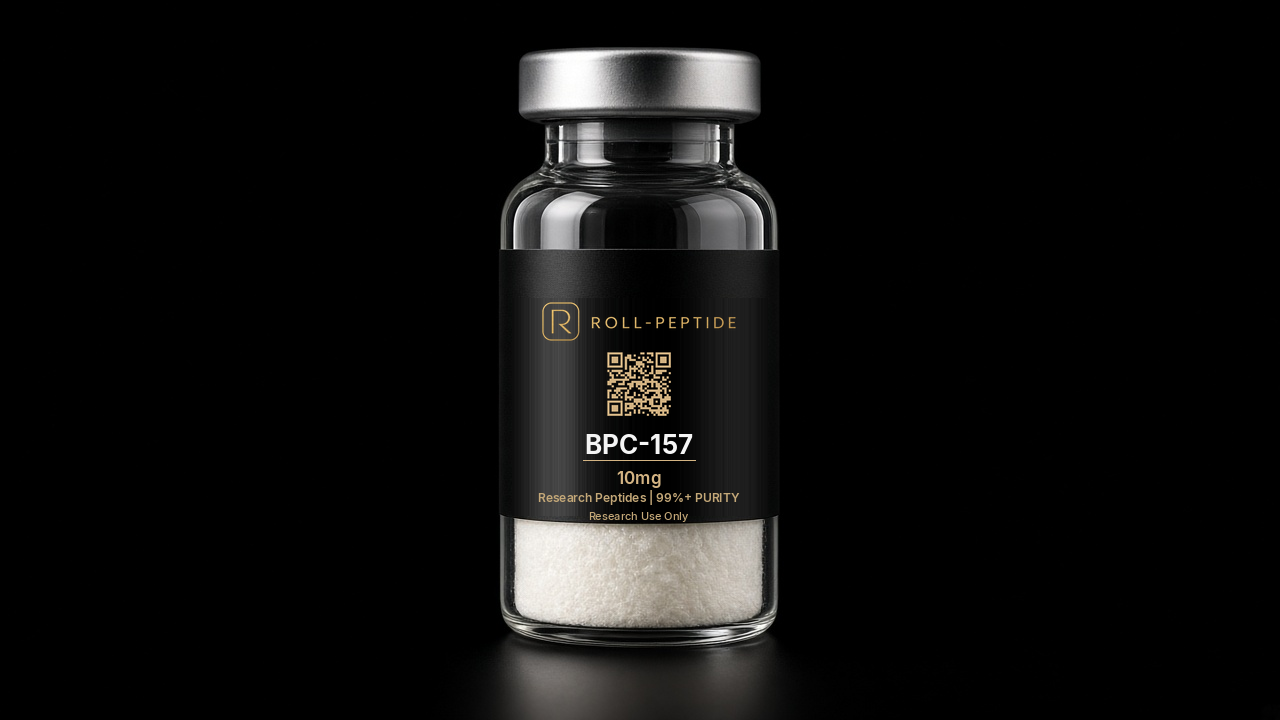
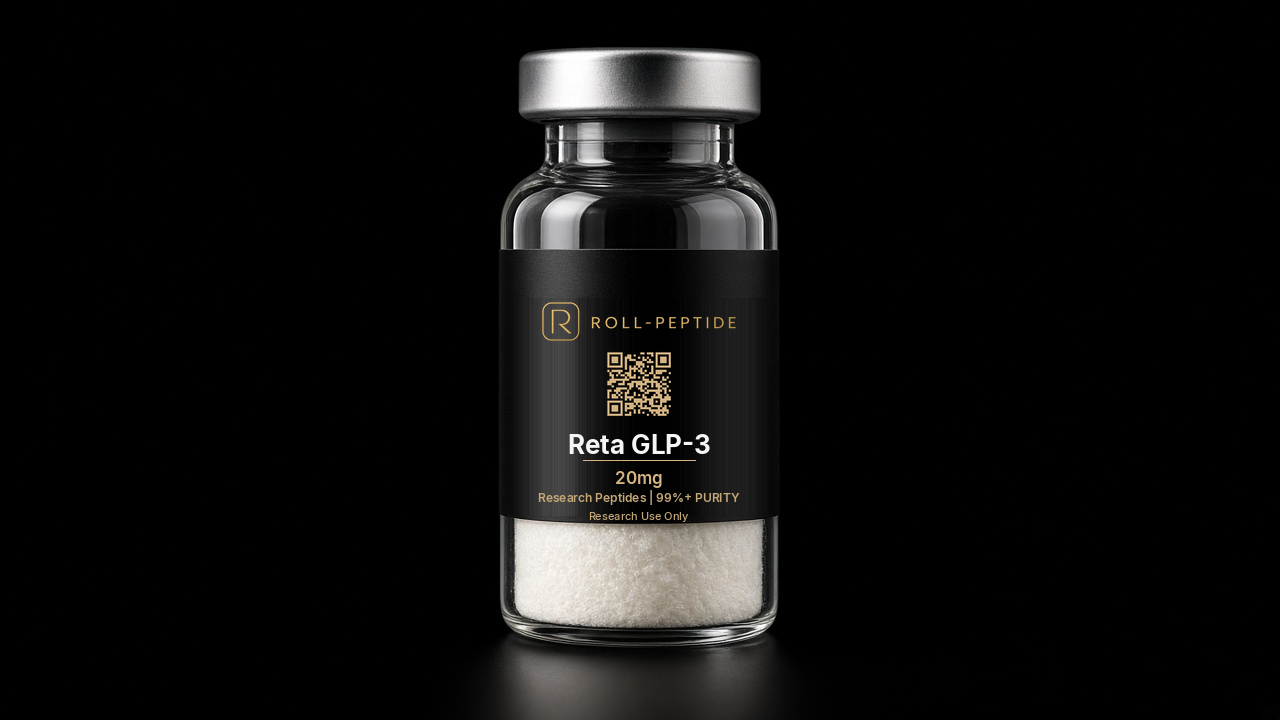
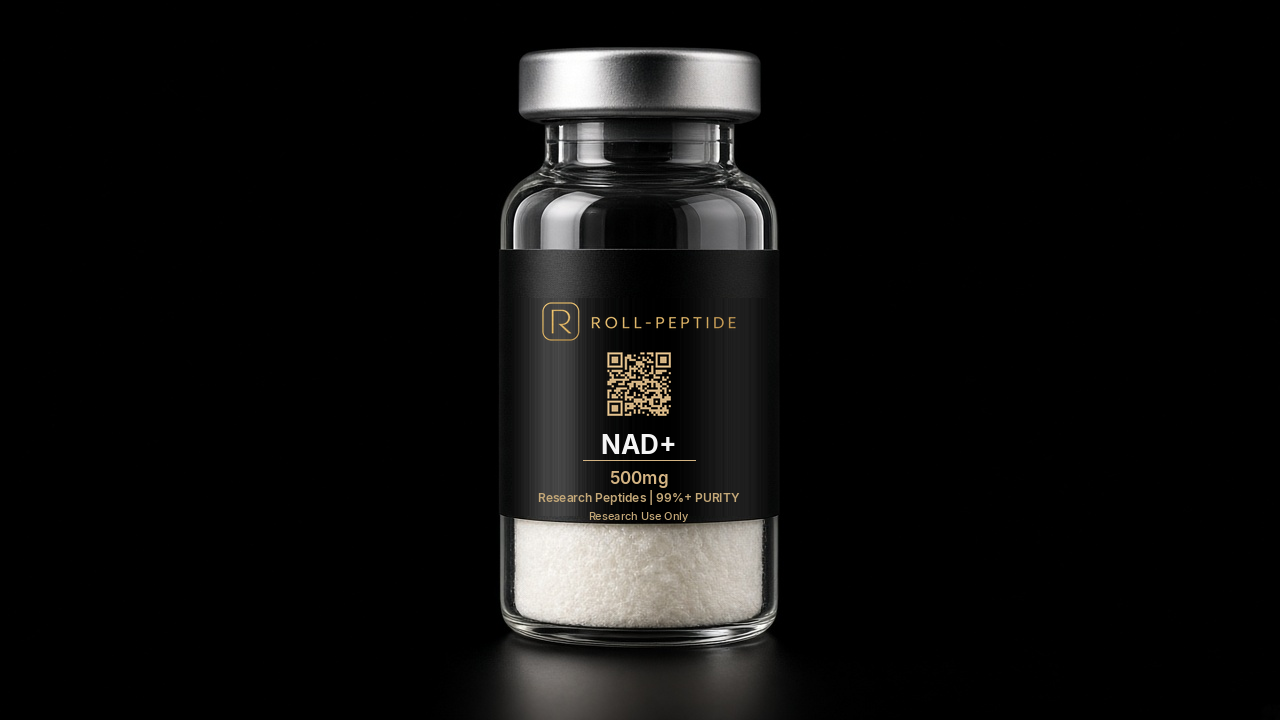
Most listings here are lyophilized, which means freeze-dried powder sealed in a vial. In that form peptides are about as stable as they get. Our standing advice is simple: keep vials cool, dry, and away from light. Everything below is detail on why.
Why vials ship without ice
Freeze-drying takes the water out, and water is what lets most of the slow breakdown happen. Lab suppliers such as Sigma-Aldrich note that lyophilized peptides are shipped at ambient temperature and stay stable for days to weeks like that. So a vial that spent a few days in the mail is normal. Once it arrives, move it somewhere cool and dark rather than leaving it on a sunny counter.
Longer-term storage
For anything you're keeping a while, general handling guides from reagent suppliers like Sigma-Aldrich and Bachem recommend freezer temperatures, sealed and away from bright light. Three habits come up again and again in those guides:
- Keep moisture out. Many peptides pull water from the air. Letting a cold vial come up to room temperature before it's opened stops condensation forming inside.
- Avoid freeze-thaw cycles. Repeated freezing and thawing is hard on peptides, so the guides suggest not moving material in and out of the freezer more than you need to.
- Keep it dark. Light speeds up breakdown, so a closed box or drawer beats an open shelf.
Powder vs material in solution
The same guides are clear that peptides are much less stable once they're in solution than as dry powder. Sigma-Aldrich puts it at roughly a week in the fridge for a typical peptide solution, with some sequences less stable than that, and recommends freezing in single-use portions for anything longer. It's one reason research suppliers ship powder rather than liquid. We don't publish mixing methods, so for lab work follow your own lab's handling procedures.
Liquid boosters
The 10ml Boosters are different. Vitamin B12, Lipo-B, and Lipo-C are liquid and ready to use, not freeze-dried. Keep them cool and away from light. More on that format in how research peptides are supplied.
Checking what you received
A lab report tells you what was measured in a lot when it was tested. Good storage is what keeps the material close to that. How to read a COA explains those reports, and the research peptide FAQ covers shipping and ordering.
Quick answers
Do peptides need to be refrigerated?
Freeze-dried (lyophilized) vials are generally stable for days to weeks at room temperature, which is why they ship without ice. For keeping them longer, general lab guides recommend cold storage, away from light and moisture.
Is it OK that my order arrived at room temperature?
Yes. Lyophilized peptides are normally shipped at ambient temperature. Put them somewhere cool, dry, and dark once they arrive.
How should I store the 10ml boosters?
Vitamin B12, Lipo-B, and Lipo-C are liquid and ready to use, so they aren't freeze-dried. Keep them cool and away from light.
Do you give mixing or dosing instructions?
No. This page is general storage guidance for research material. We don't publish mixing steps, dosing, or protocols.
Related listings
Nearby catalog cards for what this page covers.
This is product information, not medical advice, and not a prescription. Nothing here diagnoses, treats, cures, or prevents disease. Talk with a licensed clinician before using any peptide or booster.