
LearnKLOW vs GLOW
Research overview
KLOW vs GLOW
Four-peptide blend vs three-peptide blend
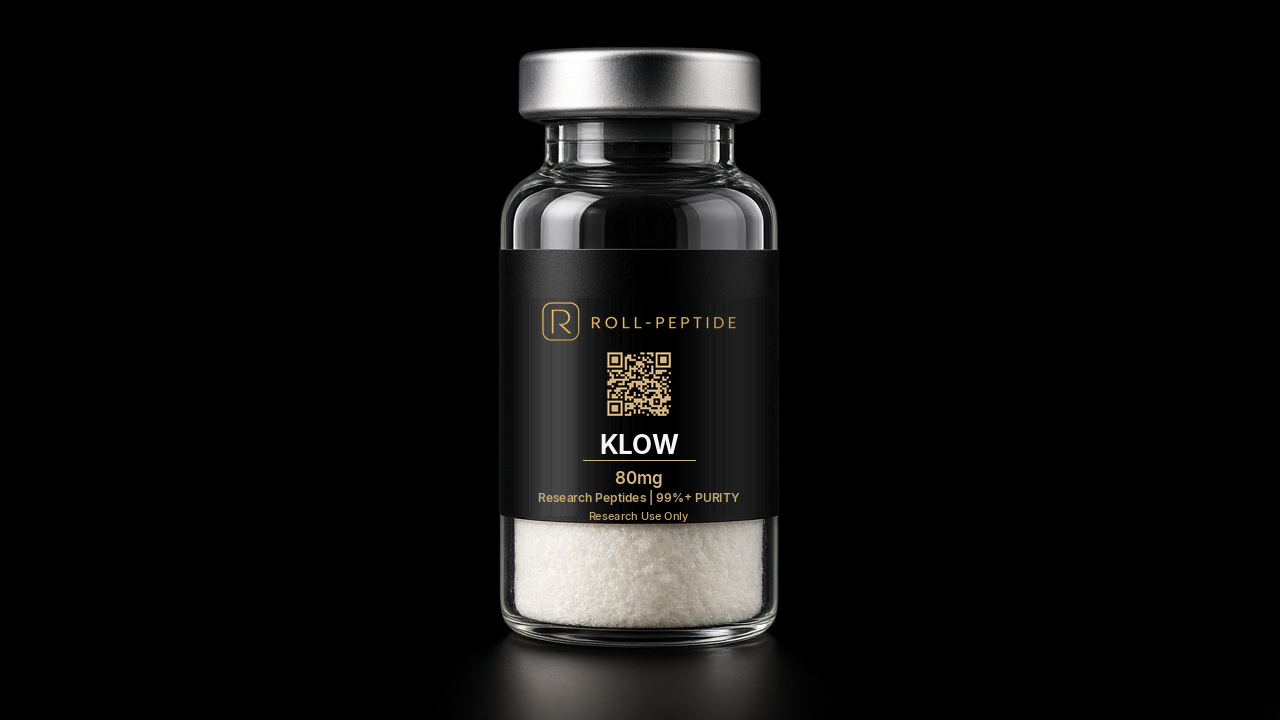
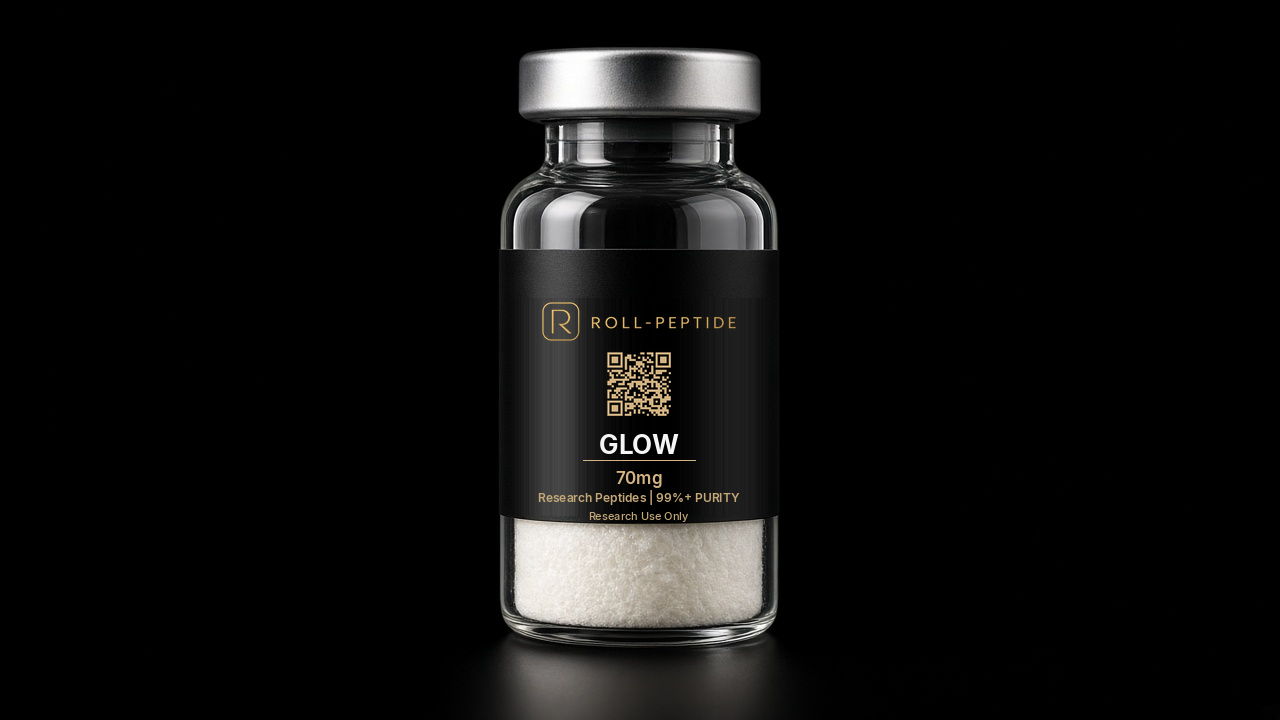
KLOW (80mg, includes KPV) vs GLOW (70mg with named BPC-157 / GHK-Cu / TB-500 amounts). Two Skin blends.
Heads up: this is product info for lab and research use only. It isn't medical advice, and it doesn't diagnose, treat, cure, or prevent any disease.
Two blends, not two sizes
KLOW is an 80mg lyophilized blend of four named peptides: GHK-Cu, KPV, BPC-157, and TB-500. GLOW is a 70mg lyophilized blend of three named peptides. The GLOW product page lists those as BPC-157 10mg, GHK-Cu 50mg, and TB-500 10mg (70mg total). Both sit in Skin & appearance. They're separate SKUs. We don't treat GLOW as a size of KLOW, or KLOW as a larger GLOW.
Single-blend notes: What is KLOW? and What is GLOW?. This page puts the two listings next to each other.
What each card lists
KLOW’s listing names four components and an 80mg fill: GHK-Cu, KPV, BPC-157, and TB-500. It does not print milligrams per component on that card. GLOW’s listing names three components and a 70mg fill, with amounts on the product page: BPC-157 10mg, GHK-Cu 50mg, TB-500 10mg. The catalog difference that shoppers notice first is KPV: KLOW includes it; GLOW does not.
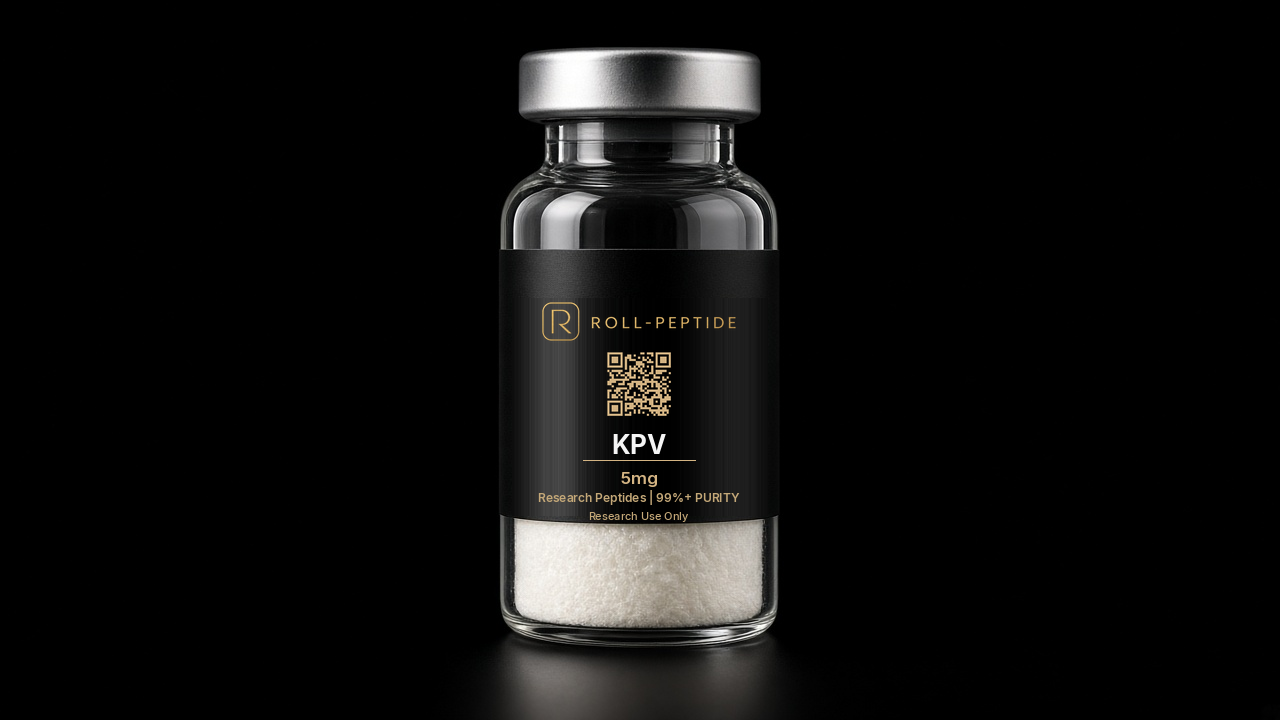
Those names also exist as standalone vials — GHK-Cu 100mg, KPV 5mg, BPC-157 10mg, TB-500 10mg. Buying a blend is not the same as buying those listings, and this site does not describe a conversion. For the two Recovery names as their own vials, see BPC-157 vs TB-500. Copper-peptide and KPV notes: What is GHK-Cu? and What is KPV?.
Choosing a page
Open KLOW when you want the four-name 80mg blend that includes KPV. Open GLOW when you want the three-name 70mg blend with the milligram split printed on that listing. Both product pages name skin quality, repair, and everyday inflammation as browse angles for the Skin & appearance group. That's why the two cards sit next to each other.
Testing notes
Both blend listings are third-party tested. We don't print a purity percentage or a lot number on the product page. How research peptides are supplied and how to read a COA explain what we will and won't publish.
Related listings
Nearby catalog cards for what this page covers.
This is product information, not medical advice, and not a prescription. Nothing here diagnoses, treats, cures, or prevents disease. Talk with a licensed clinician before using any peptide or booster.