
LearnMOTS-c 10mg vs 40mg
Research overview
MOTS-c 10mg vs 40mg
Mitochondrial 12S rRNA-c
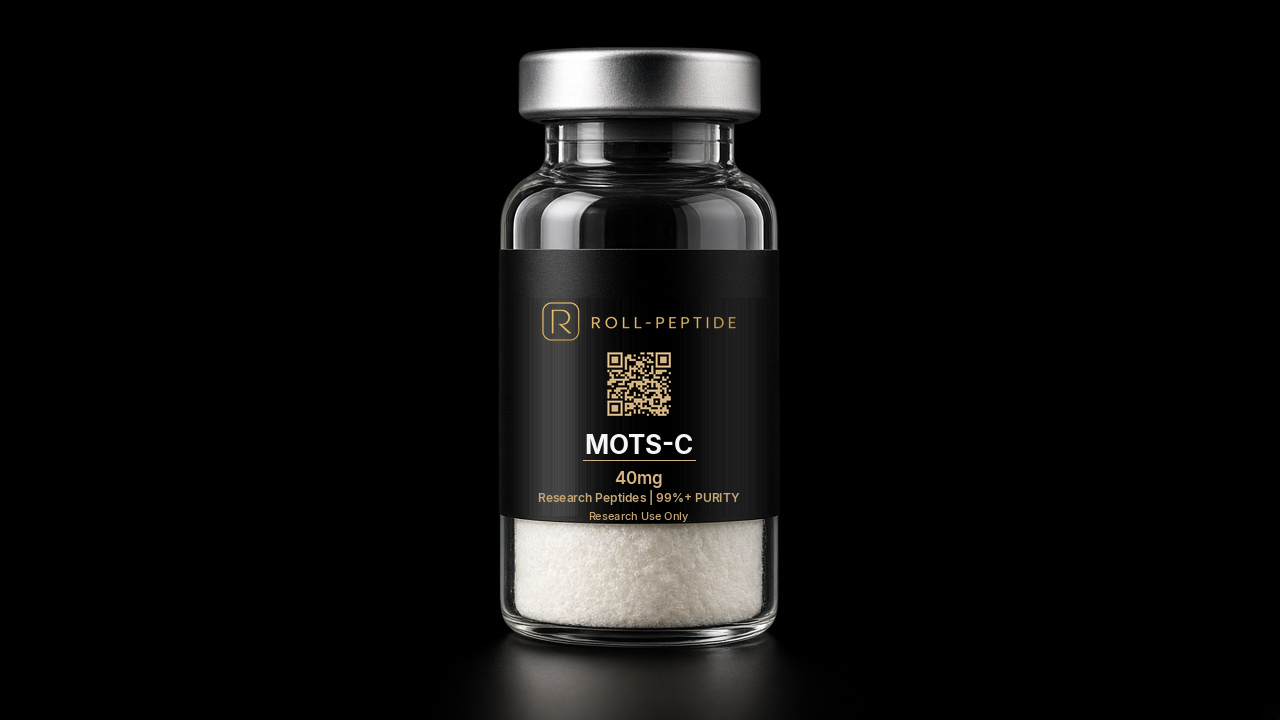
Same MOTS-C card, two fills. The 40mg vial holds four times the material of the 10mg, nothing more exotic than that.
Heads up: this is product info for lab and research use only. It isn't medical advice, and it doesn't diagnose, treat, cure, or prevent any disease.
Same peptide, two fills
MOTS-C is a 16-amino-acid peptide encoded in mitochondrial 12S rRNA. We list it as one MOTS-C card in Metabolic, with a size picker for 10mg and 40mg. Both are lyophilized (freeze-dried) research vials. The only difference is how much is in the bottle.
If you want the background on the compound itself, start with What is MOTS-C?. This page is just about picking a size.
What actually changes
The 40mg vial holds four times the material of the 10mg. That's it. Same peptide, same group, same research angles on the product page: cellular energy, metabolic flexibility, insulin sensitivity, and exercise capacity.
Where it matters is the math. The same mass in more liquid gives a lower concentration, and four times the mass in the same volume gives four times the concentration. For example, 10mg in 2 mL is 5 mg/mL, while 40mg in 2 mL is 20 mg/mL. The reconstitution calculator does that arithmetic for you. It's math only, not a method.
Cost per milligram
Larger vials almost always work out cheaper per milligram, because the cost of the vial, the fill, the testing, and the packing gets spread over more material. MOTS-C follows the same pattern here. Four 10mg vials cost noticeably more than one 40mg vial. Current prices for both sizes are on the size picker.
Picking a size
People usually pick the 10mg when they only need a small amount, or want to try a lot first. The 40mg makes more sense for longer projects where you'd otherwise be opening several small vials.
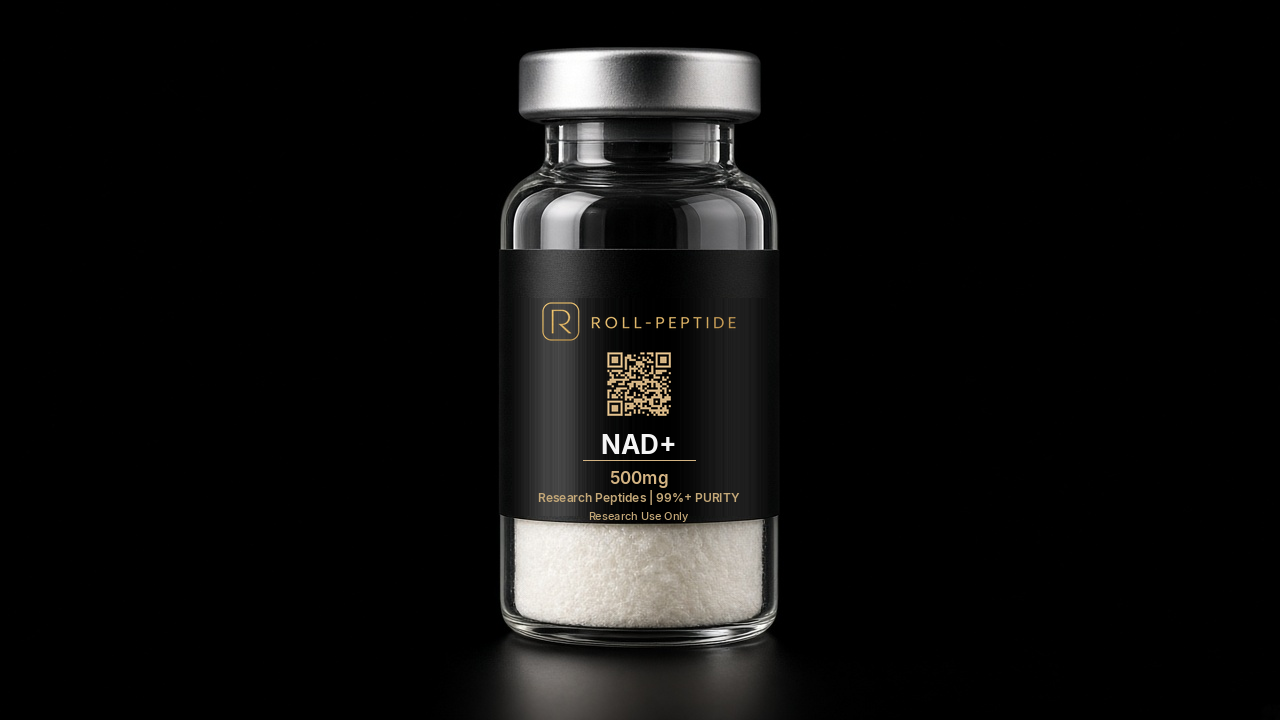
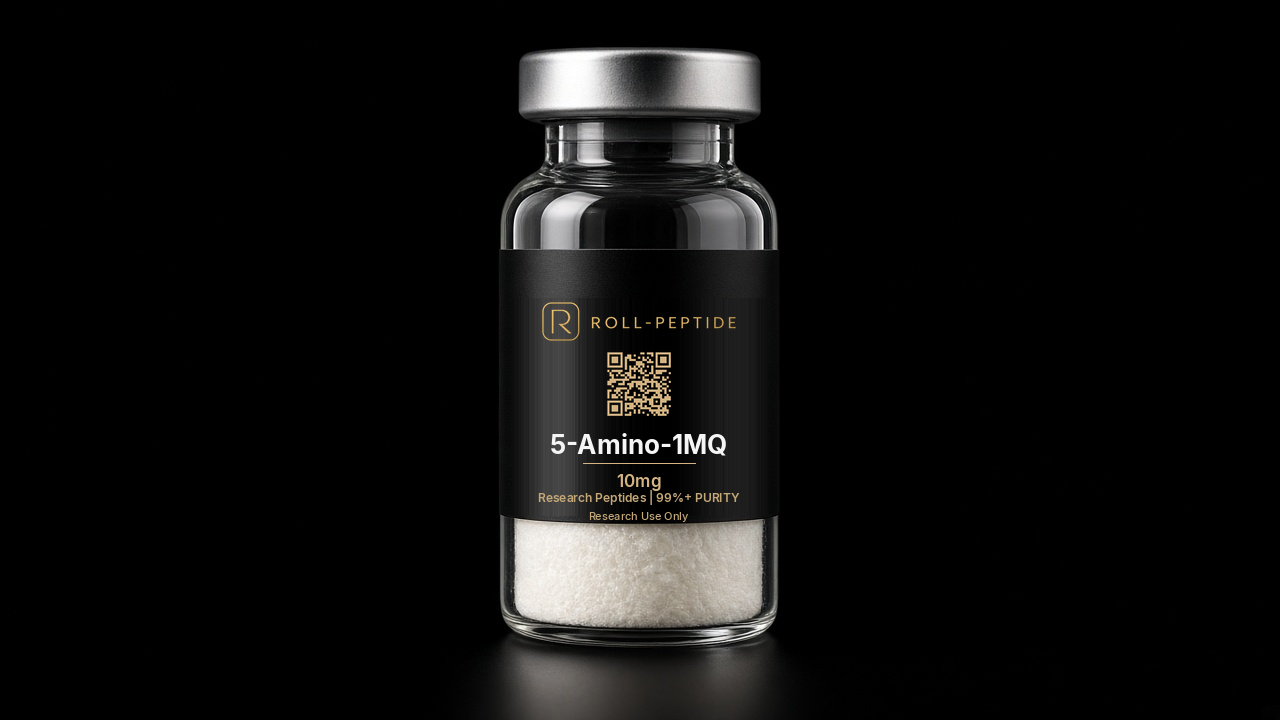
The 40mg also shows up in the Energy and Cell Repair stack, next to NAD+ 500mg. The same size logic applies to NAD+, which has its own page: NAD+ 500mg vs 1000mg. If you're comparing MOTS-C with other energy-angle listings, see SS-31 vs MOTS-c and 5-Amino-1MQ vs MOTS-c.
Testing notes
Both sizes are third-party tested. When we have a lab report for the lot we're shipping, it's posted on the product page. How to read a COA walks through what those reports cover, and how to store research peptides covers keeping a vial in good shape once it arrives.
Quick answers
Is MOTS-c 40mg stronger than 10mg?
No. It's the same peptide in both vials. The 40mg vial just has four times as much material in it. Strength in a lab sense comes from concentration, and that depends on how much liquid the material ends up in, not on the label size alone.
Which MOTS-c size is better value?
Per milligram, the 40mg. Bigger fills nearly always cost less per milligram, and that's true on this card too. The current price for each size is on the size picker.
Why sell a 10mg at all?
Some people only want a small amount, or want to look at a lot before committing to a bigger vial. The 10mg is there for that.
Related listings
Nearby catalog cards for what this page covers.
This is product information, not medical advice, and not a prescription. Nothing here diagnoses, treats, cures, or prevents disease. Talk with a licensed clinician before using any peptide or booster.