
LearnRetatrutide vs Semaglutide: Triple vs Single Agonist
Research overview
Retatrutide vs Semaglutide: Triple vs Single Agonist
Retatrutide vs semaglutide
One receptor vs three. How retatrutide (Reta GLP-3) lines up against semaglutide, and where tirzepatide fits.
Heads up: this is product info for lab and research use only. It isn't medical advice, and it doesn't diagnose, treat, cure, or prevent any disease.
The short version
Semaglutide works on one receptor, GLP-1. Retatrutide is built to hit three: GLP-1, GIP, and glucagon. That one difference is what most retatrutide vs semaglutide writeups end up being about. Everything else, from the trial numbers to the way people talk about the two, comes back to how many targets each compound reaches.
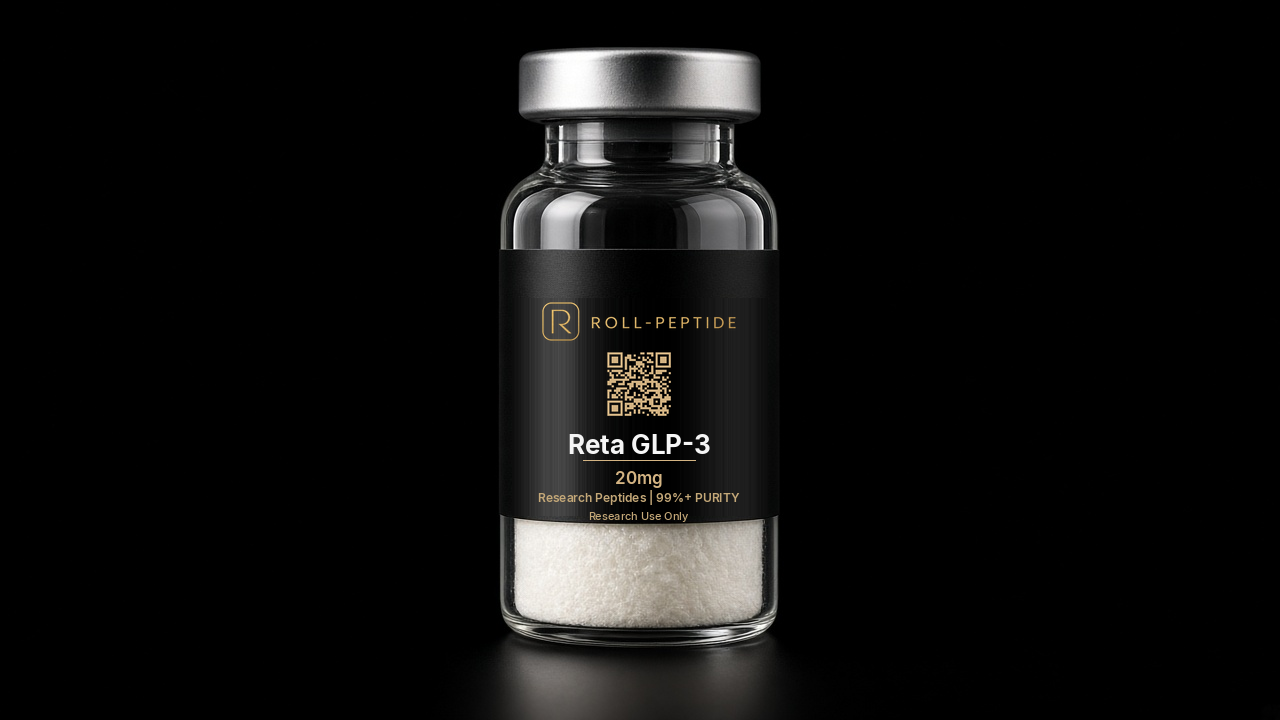
We list retatrutide as Reta GLP-3 in 20mg, 30mg, and 50mg. We don't sell semaglutide. This page is here because it's the comparison people search for most when they first come across retatrutide.
Where each one comes from
Semaglutide is the older of the two. It's a single GLP-1 receptor agonist, approved as a prescription drug in 2017 and now one of the most studied compounds in the whole metabolic space.
Retatrutide (LY3437943) is newer and still investigational. It's a single 39-amino-acid peptide engineered to act on the GIP, GLP-1, and glucagon receptors at once, with a fatty-acid side chain that keeps it around longer. Published reviews describe it as more potent than the body's own GIP at the GIP receptor, and less potent than the natural hormones at the GLP-1 and glucagon receptors. Phase 3 trials were still running when this page was written, including one (TRANSCEND-2) that compares it directly with semaglutide.
Side by side
- Targets: semaglutide, GLP-1 only. Retatrutide, GLP-1 + GIP + glucagon.
- Status: semaglutide is an approved prescription drug. Retatrutide is not approved anywhere and sits in phase 3 research.
- Why the glucagon piece gets attention: research writeups point to glucagon receptor activity as the reason retatrutide is studied for energy expenditure and liver fat, on top of the appetite angle the GLP-1 class is known for.
- On this site: retatrutide as Reta GLP-3 in three vial sizes. No semaglutide listing.
Published phase 2 results for retatrutide drew a lot of headlines, and a fair few people now search the two names together because of that. Trial results describe what happened in a specific study population under medical supervision. They aren't a promise about a research vial, and nothing on this page is advice to use either compound.
Where tirzepatide fits
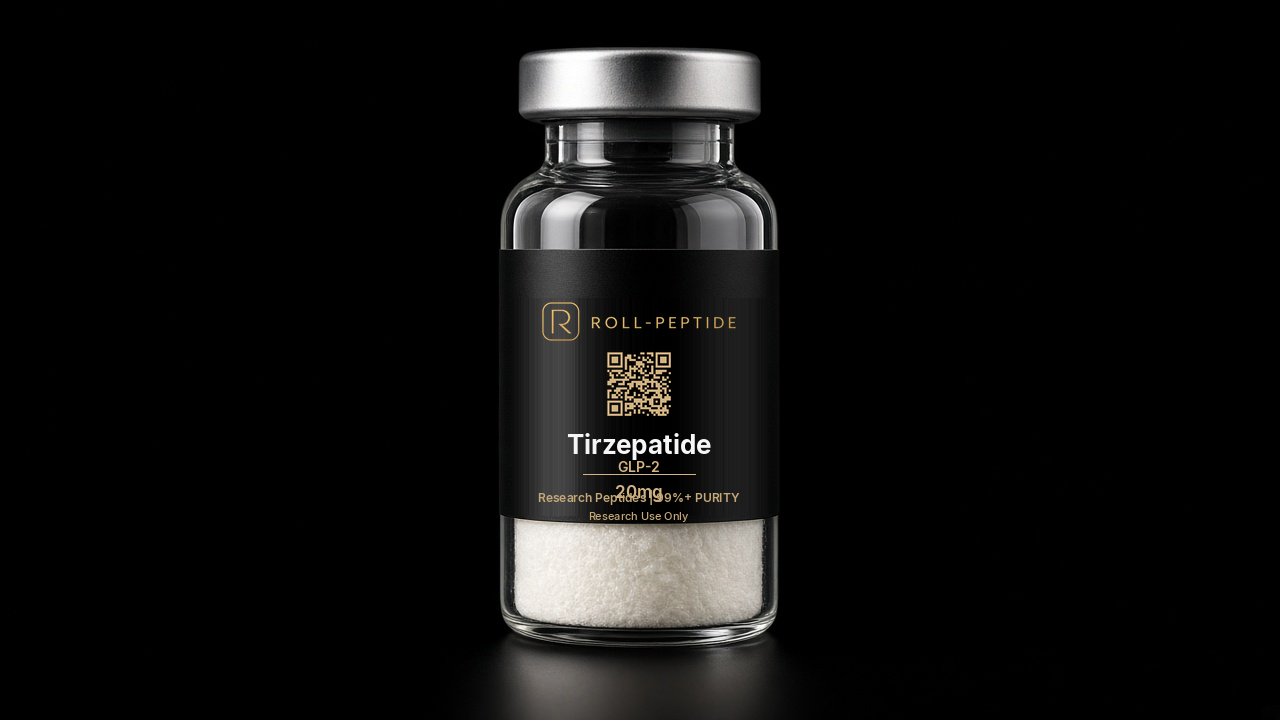
Tirzepatide sits in the middle: two targets, GLP-1 and GIP. So the usual way to line them up is one, two, three. We list it as Tirzepatide GLP-2 (20mg). For that pairing, see Reta GLP-3 vs Tirzepatide GLP-2 and Tirzepatide vs Semaglutide. If the shop names are confusing, GLP-1 vs GLP-2 vs GLP-3 explains where they come from.
More on retatrutide
Background on the compound is in What is retatrutide?, and the three vial sizes are compared in Retatrutide 20mg vs 30mg vs 50mg. The 20mg and 50mg lots have Janoshik reports on the product page, and how to verify a Janoshik COA shows how to check one yourself.
Quick answers
What is the main difference between retatrutide and semaglutide?
The number of receptors. Semaglutide acts on GLP-1 only. Retatrutide is designed to act on GLP-1, GIP, and glucagon receptors, which is why it's often called a triple agonist.
Is retatrutide approved?
No. Retatrutide is still investigational, with phase 3 trials under way. Semaglutide is an approved prescription drug. We list retatrutide as Reta GLP-3 for research use only.
Do you sell semaglutide?
No. Our Metabolic listings are Reta GLP-3 (retatrutide, 20mg, 30mg, or 50mg) and Tirzepatide GLP-2 (20mg).
Related listings
Nearby catalog cards for what this page covers.
This is product information, not medical advice, and not a prescription. Nothing here diagnoses, treats, cures, or prevents disease. Talk with a licensed clinician before using any peptide or booster.