
LearnWhat Does Lyophilized Mean? Freeze-Dried Peptides Explained
Research overview
What Does Lyophilized Mean? Freeze-Dried Peptides Explained
Why peptides ship as freeze-dried powder, why a vial can look almost empty, and what's normal when it arrives.
Heads up: this is product info for lab and research use only. It isn't medical advice, and it doesn't diagnose, treat, cure, or prevent any disease.
Lyophilized means freeze-dried
Nearly every vial in this catalog is labelled lyophilized. It's just the technical word for freeze-dried. The peptide is dissolved, frozen, and then put under a vacuum so the frozen water turns straight into vapor and leaves. What's left is a dry, light solid sealed in the vial.
Why peptides are sold this way
Water is what lets peptides slowly break down. Take it out and the material becomes far more stable, which is why freeze-dried vials can travel at room temperature for days without any ice packs. Lab suppliers ship peptides the same way, for the same reason. It also means the label weight is easy to check: a lab can measure how much peptide is in the vial, which is the “amount” line on a COA.
What it looks like in the vial
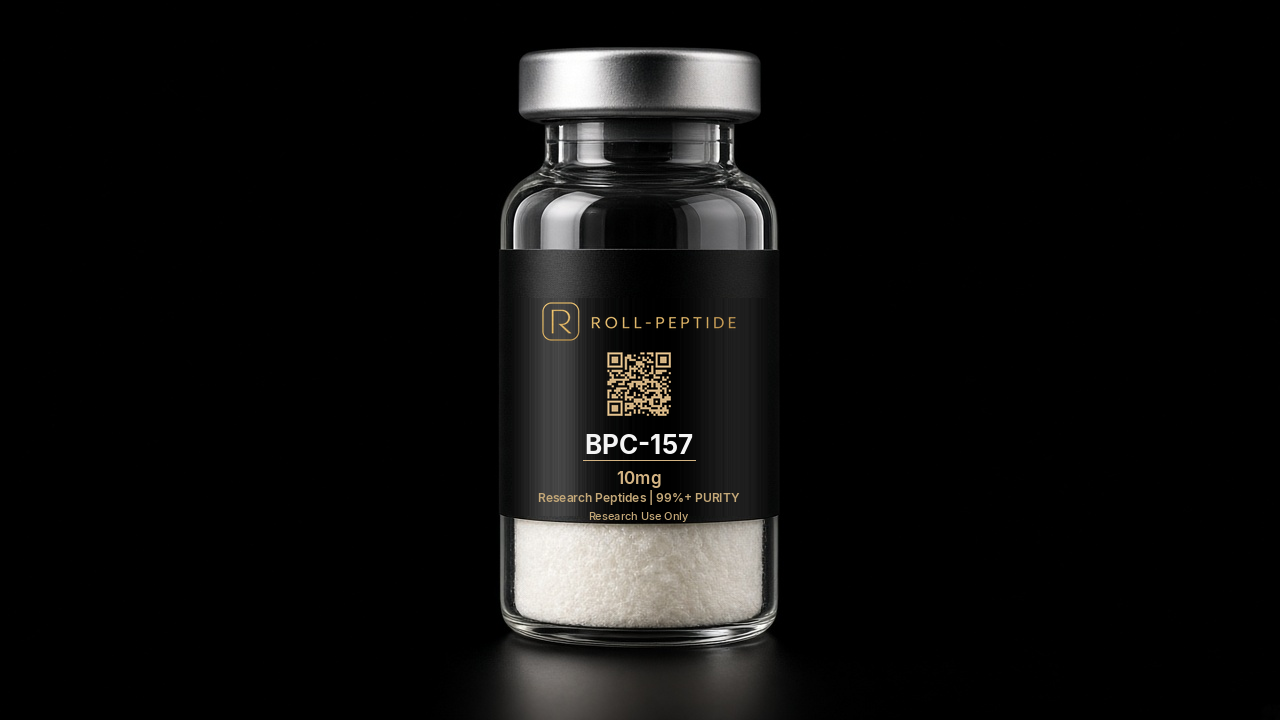
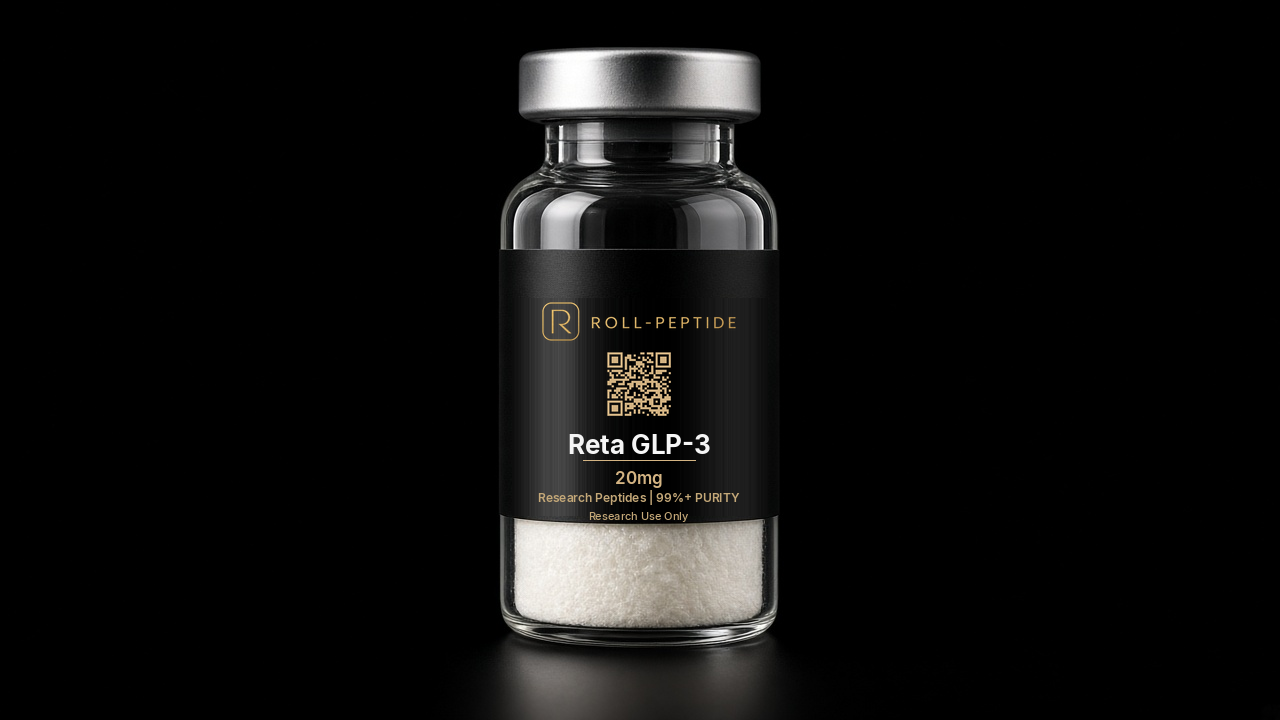
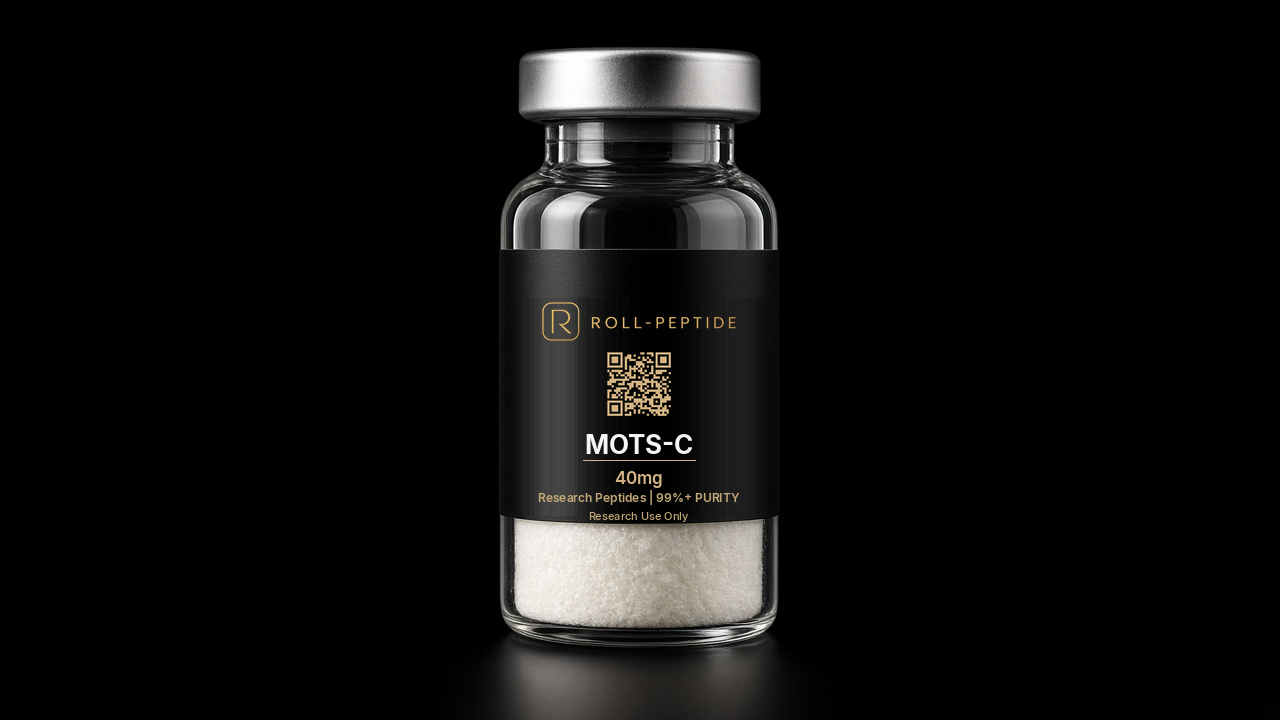
A freeze-dried peptide usually sits as a small white “cake” or a loose powder at the bottom of the vial. A few things that worry people are completely normal:
- It looks nearly empty. Ten milligrams is a tiny amount of material. A 5mg or 10mg vial, like KPV or 5-Amino-1MQ, can look like there's almost nothing in it. The same goes for DSIP 15mg.
- The cake has cracked or broken up. Freeze-dried cakes are fragile and shake loose in the mail. Powder versus cake doesn't change what's in the vial.
- Bigger fills look different. A 1000mg NAD+ vial or a 1200mg glutathione vial holds far more material, so it looks fuller than a 10mg peptide.
What isn't normal: visible moisture, a sticky or melted-looking residue, or a damaged seal. If anything arrives like that, get in touch with your order number.
What isn't lyophilized here
The 10ml Boosters are liquid and ready to use, not freeze-dried: Vitamin B12, Lipo-B, and Lipo-C. More on the two formats in how research peptides are supplied.
Keeping it that way
Freeze-dried material stays stable as long as it stays dry. Keep vials cool, dry, and out of the light. How to store research peptides covers the detail, and how to verify a Janoshik COA shows how to check what a lot measured. We don't publish mixing steps or dosing.
Quick answers
What does lyophilized mean?
Freeze-dried. The peptide is frozen and the water is removed under vacuum, leaving a dry powder or cake sealed in the vial.
Why does my vial look almost empty?
Small fills like 5mg or 10mg are a tiny amount of material, so a freeze-dried vial can look nearly empty. That's normal.
Is it a problem if the powder has broken up?
No. Freeze-dried cakes are fragile and often break up in transit. Visible moisture, a sticky residue, or a damaged seal is worth reporting, though.
Do lyophilized peptides need ice in shipping?
No. With the water removed they're stable at room temperature for days to weeks, which is why they ship without ice. Store them cool, dry, and dark once they arrive.
Related listings
Nearby catalog cards for what this page covers.
This is product information, not medical advice, and not a prescription. Nothing here diagnoses, treats, cures, or prevents disease. Talk with a licensed clinician before using any peptide or booster.